
5 Places to Unplug at Home

5 Places to Unplug at Home
In today’s always-connected world, unplugging can feel almost impossible. Phones buzz, emails stack up, notifications pull at our attention, and even our downtime is often spent staring at a screen. Over time, this constant stimulation takes a toll — on our sleep, our focus, our relationships, and our overall well-being.
Your home should be more than just a place to live. It should be a place where you can slow down, reset, and create moments of peace. The good news? You don’t need a full remodel or a remote cabin in the mountains to unplug. Small, intentional changes inside your home can make a meaningful difference.
Below are five places in your home where you can unplug, recharge, and create healthier habits — without sacrificing comfort or convenience.
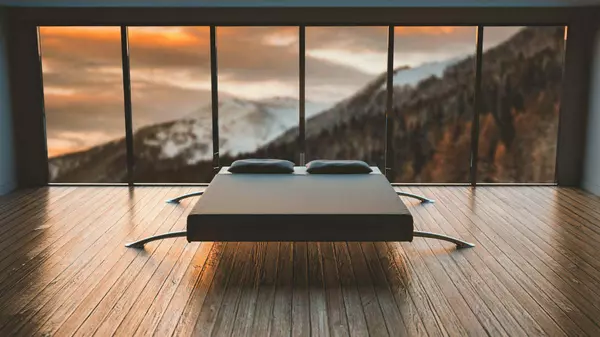
1. The Bedroom: Your Personal Reset Zone
The bedroom is one of the most important places to unplug, yet it’s often the most overlooked. Many people scroll through their phones before bed, answer emails late at night, or fall asleep to a TV running in the background. While these habits may feel harmless, they can seriously disrupt sleep quality.
Creating a calm, tech-free bedroom allows your mind to transition naturally from the busyness of the day into rest.
Why unplugging in the bedroom matters
-
Blue light from screens interferes with melatonin production
-
Notifications keep your brain alert when it should be winding down
-
Poor sleep affects mood, focus, and decision-making
Simple ways to unplug
-
Charge phones outside the bedroom or across the room
-
Replace your phone alarm with a traditional alarm clock
-
Keep TVs, laptops, and tablets out of the bedroom
-
Use soft lighting instead of bright overhead lights at night
Create a calming environment
-
Neutral colors and soft textures promote relaxation
-
Blackout curtains or light-filtering shades improve sleep quality
-
Keep the room cool and clutter-free
When your bedroom becomes a place reserved for rest, reading, or quiet reflection, sleep improves — and so does everything else that depends on it.
2. The Living Room: Reclaiming Shared Time
The living room is often the heart of the home. It’s where families gather, guests visit, and evenings are spent winding down. Unfortunately, it can also become a space where everyone sits together while staring at separate screens.
Unplugging in the living room doesn’t mean eliminating technology completely. It means being intentional about how and when it’s used.
Why the living room matters
-
It’s a shared space meant for connection
-
Screen overload reduces meaningful conversation
-
Quality time strengthens relationships
Ways to unplug without sacrificing comfort
-
Set “screen-free” hours in the evening
-
Use the TV intentionally instead of as background noise
-
Keep phones off the coffee table to reduce temptation
Ideas to encourage connection
-
Board games, puzzles, or card games
-
Reading or journaling
-
Listening to music or podcasts together
-
Conversation-friendly furniture arrangements
By redefining how the living room is used, it becomes a space for presence instead of distraction — a place where memories are made instead of missed.
3. The Kitchen: Mindful Moments in the Middle of the Day
The kitchen is one of the most active areas in the home. It’s where meals are prepared, snacks are grabbed, and conversations often happen naturally. Yet many kitchens are filled with distractions — phones on counters, TVs playing in the background, and rushed eating.
Unplugging in the kitchen creates opportunities for mindfulness, healthier habits, and stronger connections.
Why unplugging in the kitchen helps
-
Encourages mindful eating
-
Improves digestion and awareness
-
Creates space for meaningful conversations
Simple changes that make a difference
-
Leave phones in another room during meals
-
Turn off background TVs while cooking or eating
-
Eat at a table rather than standing at the counter
Create a calming kitchen environment
-
Keep counters uncluttered
-
Use warm lighting instead of harsh overhead lights
-
Play soft music instead of watching a screen
Mealtime becomes less about multitasking and more about nourishment — both physically and emotionally.
4. The Bathroom: A Private Space for Quiet Reflection
Bathrooms are often rushed spaces — quick showers, hurried routines, and little time for pause. But they can also become one of the best places to unplug, even for just a few minutes a day.
Transforming your bathroom into a calming retreat doesn’t require luxury upgrades. It requires intention.
Why unplugging in the bathroom works
-
It’s one of the few truly private spaces in the home
-
Short moments of calm reduce stress
-
Quiet routines help reset your nervous system
Ways to unplug
-
Leave your phone outside the bathroom
-
Avoid scrolling during baths or while getting ready
-
Focus on breathing, stretching, or quiet reflection
Simple spa-like touches
-
Soft towels and neutral colors
-
Candles or dim lighting
-
Natural scents like eucalyptus or lavender
Even five uninterrupted minutes can make a noticeable difference in how you start or end your day.
5. The Outdoor Space: Reconnecting with Nature
Whether you have a large backyard, a small patio, or a balcony, outdoor spaces offer a powerful opportunity to unplug. Fresh air, natural light, and quiet surroundings help restore focus and reduce stress.
Spending time outside doesn’t require elaborate plans — just consistency.
Why outdoor unplugging is powerful
-
Natural light improves mood and energy
-
Fresh air reduces stress and mental fatigue
-
Nature encourages presence and mindfulness
Simple ways to unplug outdoors
-
Enjoy morning coffee outside without your phone
-
Read, journal, or meditate in natural light
-
Take short walks without headphones or screens
Make the space inviting
-
Comfortable seating
-
Plants or greenery
-
Shade for comfort during warmer months
Outdoor unplugging reminds us that slowing down doesn’t mean stopping — it means being present.
Why Unplugging at Home Matters More Than Ever
Constant connectivity blurs the line between work, rest, and personal time. Over time, this leads to burnout, anxiety, and mental exhaustion. Your home should act as a buffer against that pressure — a place where your mind can rest as much as your body.
Unplugging:
-
Improves sleep
-
Reduces stress
-
Strengthens relationships
-
Increases focus and clarity
Small changes, practiced consistently, lead to lasting benefits.
Creating a Home That Supports Balance
Unplugging isn’t about perfection. It’s about progress. You don’t need to remove every screen or change everything overnight. Start with one room. One habit. One moment of intention.
Over time, your home becomes more than a physical space — it becomes a place that supports your well-being, your relationships, and your peace of mind.
If you are wanting to remodel your home or make some of these changes, reach out to our remodel division
Treasured Properties Home Solutions
Schedule a Free Consult-Estimate
Categories
- All Blogs (43)
- Attorneys (1)
- Buyers (14)
- Divorce Real Estate (11)
- Featured Property (1)
- Home Improvement (1)
- Luxury Real Estate (7)
- New Construction & Developments (3)
- Property Management (1)
- Relocation to Southern Utah (8)
- Sellers (11)
- Selling House During Divorce Utah (6)
- Subdivision (5)
- Things To Do In Southern Utah (4)
- Utah Real Estate Advice (9)
Recent Posts








Associate Broker | Luxury & Divorce Real Estate Specialist License ID: 11195148-AB00
+1(435) 264-1444 | troy@treasuredproperties.com